There is no single score that guarantees a mortgage
Different mortgage programs and lenders use different credit-review standards and score models. A specific score is not an automatic approval or denial. Review the full credit report and compare the requirements of the loan you are considering.
Credit report vs. credit score
A credit report contains information about credit accounts, payment history, balances, inquiries, and public-record information where applicable. A credit score is calculated from information in a report using a particular scoring model. Consumers can have different scores because the underlying data, scoring model, and timing may differ.
Mortgage lenders may use specific scoring models and reporting procedures. Ask the lender which reports and scores it uses rather than assuming a free consumer app shows the exact score used in underwriting.
How credit can affect a mortgage
Credit history and scores may affect whether a borrower qualifies, the price or interest rate offered, mortgage insurance, and the loan program available. The result depends on the full application and lender. A high score does not guarantee approval; a lower score does not by itself prove that no path exists.
Read the CFPB explanation of credit and mortgage pricing.
Review reports before applying
- Obtain your credit reports from the authorized source.
- Review names, addresses, accounts, payment status, balances, and inquiries.
- Dispute information you believe is inaccurate with the reporting company and the furnisher.
- Keep copies of dispute records and monitor the result.
- Ask the lender how corrected or disputed information should be handled during underwriting.
The FTC explains how to access free reports at FreeCreditReport information.
Habits that may support a healthier credit profile
Pay bills on time, keep track of due dates, avoid taking on new obligations without considering their effect on the mortgage budget, and review reports for errors. Paying down revolving balances may help some scoring models, but the effect and timing are not guaranteed. Do not pay a company that promises a specific score increase or guaranteed mortgage approval.
Pair credit preparation with a broader budget
Mortgage qualification also considers monthly debts, income, assets, and the home being financed. Review Mortgage Qualification and use Home Affordability Calculator to understand how other financial commitments affect a scenario.
Frequently Asked Questions
What credit score do I need to buy a house?
There is no universal answer across all loan types and lenders. Program rules and lender overlays vary. Review the credit score guide and ask lenders about the exact product.
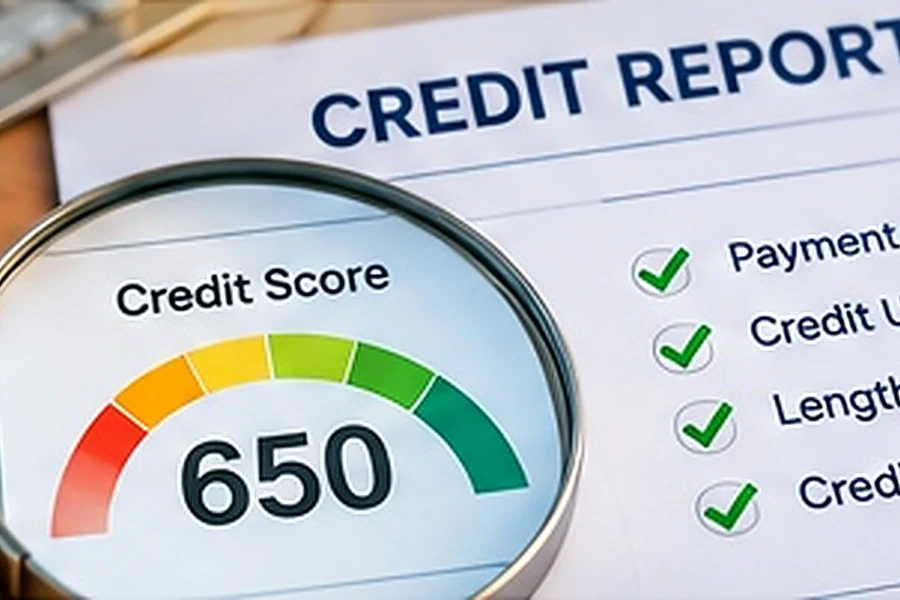
Can I buy a house with a 650 score?
Possibly in some circumstances, but a 650 score alone cannot establish approval. The loan program, report details, income, debts, assets, property, and lender standards also matter.
Will checking my own credit hurt my score?
A consumer checking their own credit report is generally a soft inquiry and does not lower a credit score. A lender application may involve a hard inquiry.
Should I open new credit before a mortgage?
Be cautious. New accounts or balances can change the credit file and debt picture. Discuss major financial changes with the lender before proceeding.
Sources and Further Reading
These primary-source resources provide more detail. Program rules, consumer protections, local taxes, insurance contracts, and lender terms may change; check current materials that apply to the specific transaction.
- CFPB: Credit score and mortgage terms
- FTC: Free credit reports
- CFPB: Debt-to-income ratio
- HUD: Housing counseling
Educational information only. Homeownership Numbers is not a lender, mortgage broker, financial adviser, tax professional, insurance company, or government agency. This page is not personalized financial, legal, tax, insurance, or lending advice. Program terms and local rules can change; verify details with current official sources and qualified professionals.